
Magnesium Glycinate Supplement for Bone Health and Calm Sleep
Orders received by noon typically ship same business day. Orders received by noon typically ship same business day.

120 mg Magnesium Glycinate Supplement
Best Seller

6 Reviews   |  20 questions answered Write a Review

Chelated magnesium glycinate (also known as magnesium bis-glycinate) is well absorbed without significant laxative effects.


Subscribe and Save!

$23.73

Delivery frequency:

FREE SHIPPING ON 2+ BOTTLES

One-time Purchase

24.98

In stock

Gluten-Free

Magnesium Glycinate
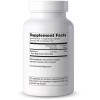
Supplement Facts

Serving Size: 1 vegetarian capsule
Servings Per Container: 120
Ingredients Daily
Amount
% Daily
Value
Magnesium (from Magnesium Glycinate) 120 mg 29%

Other ingredients: Hypromellose Capsule, magnesium stearate, silicon dioxide.

Contains 120 mg of Elemental Magnesium per vegetarian capsule.

Cooper Complete Gluten Free iconCooper Complete Non GMO Icon

This product is gluten-free, and non-GMO.

While we strive to ensure the label information on this site represents the label on the product available for purchase, products are updated from time to time. Please consult the label on the product you purchase for the most accurate ingredient and allergen information.

Item Number: 169
SKU: 816899000645
Formula#: CCI006 V1123

What It Is

Only 40 percent of U.S. adults get the recommended daily amount of magnesium. Magnesium Glycinate supplement from Cooper Complete helps support:

  • Bone health
  • Energy production
  • Heart health
  • Sleep health

How to Use:

As a dietary supplement, take one (1) vegetarian capsule 1-4 times daily or as directed by your health care professional. Each bottle contains 120 servings.

How It Helps

Magnesium Glycinate (also known as magnesium bisglycinate) is well absorbed without significant laxative effects. This favorable absorption makes magnesium glycinate a popular choice for magnesium supplements. The body uses magnesium in more than 300 different functions. Since our body doesn’t produce magnesium, we must consume enough of this mineral through our diet or supplementation. Although abundant in many foods, it’s estimated that about half of the US population doesn’t get enough magnesium.

Magnesium for Relaxation and Stress Relief:

  • Magnesium improves melatonin regulation for better sleep cycles.†
  • Magnesium supports a calm, relaxed state.†

Magnesium for Cellular Energy Production:

  • Magnesium helps the body convert carbohydrates and other foods into energy.†
  • Studies have shown that higher magnesium levels are associated with lower glucose and insulin levels.†

Magnesium for Better Bone Health:

  • Magnesium helps to regulate calcium levels in bones.†
  • Magnesium Glycinate works in conjunction with calcium and vitamin D to support a strong skeletal structure.†

Magnesium for Heart Health and Muscle Function:

  • Magnesium helps support healthy vascular function and circulation.†
  • Lower magnesium levels are associated with an increased mortality rate, according to the American Heart Association.†

As a dietary supplement, adults take one (1) capsule 1-4 times daily or as directed by your health care professional.

Cooper Complete products are verified and lot tested. If you would like a copy of a Certificate of Authenticity for this product, please contact us at customerservice@coopercomplete.com or 888.393.2221 from 9 a.m. until 5 p.m. Monday-Friday central time (CST).

Complete your Cooper program.

You might be interested in the following Cooper Complete products to support healthy lifestyles.

Photo of Cooper Complete Advanced Omega 3 Supplement bottle

Advanced Omega-3 Supplement

Advanced Omega 3 Supplement contains 720 mg EPA, 480 mg DHA, and 200 mg other omega-3 fatty acids in each serving of two lemon-flavored softgels. Omega 3 supplementation supports heart health, cognition, immune, and inflammatory health without any fishy aftertaste.†

$21.83 Add to cart
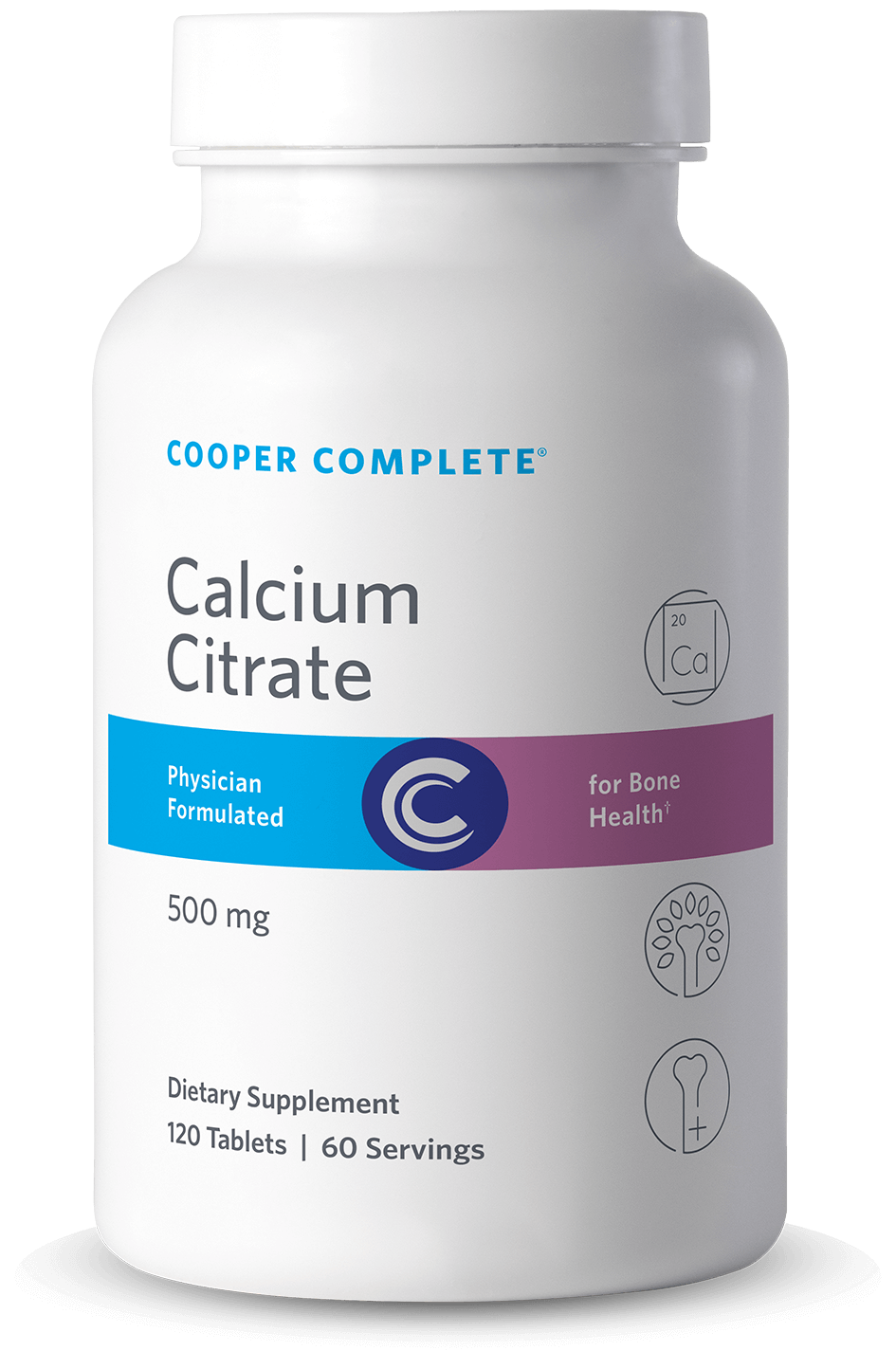
Photo of Cooper Complete Calcium Citrate Supplement 500 mg bottle.

Calcium Citrate Supplement 500 mg

Calcium Citrate Supplement supplies 500 mg of elemental calcium from calcium citrate in each serving of two tablets. The citrate form of calcium provides superior absorption.

$20.40 Add to cart
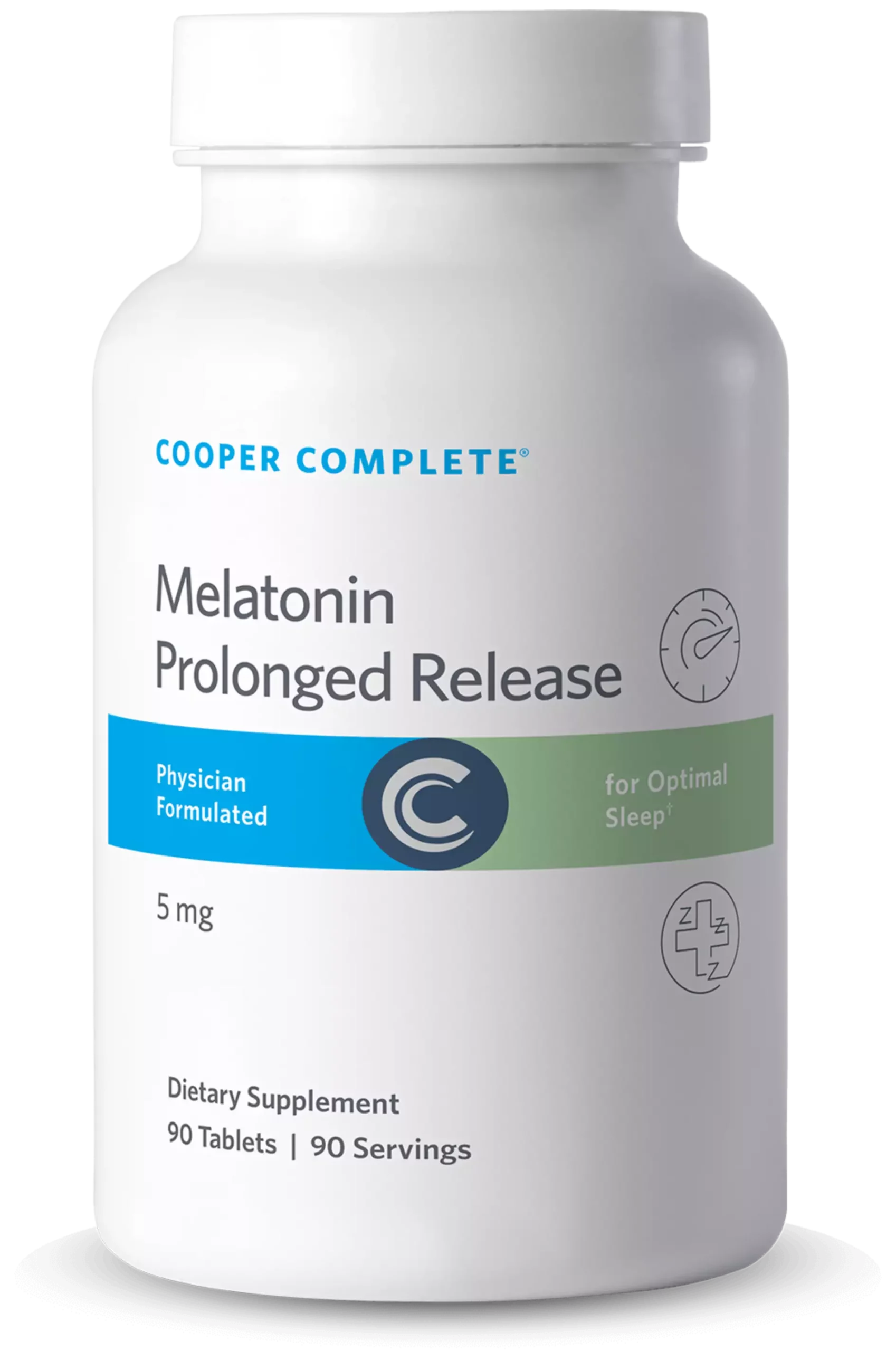
Photo of Cooper Complete 5 mg Melatonin Prolonged Release Supplement bottle.

5 mg Melatonin Prolonged Release Supplement

Prolonged Release Melatonin is a formula with a two-phased delivery system that releases melatonin quickly and then steadily over six hours.

$25.62 Add to cart

What Our Customers are Saying

5.00 out of 5 stars

  • 6 reviews
  • 0 reviews
  • 0 reviews
  • 0 reviews
  • 0 reviews

Reviews of 120 mg Magnesium Glycinate Supplement

  1. My husband and I have been taking this magnesium glycinate for a while now. It is a necessity for us to sleep better and for our gut health. It has many benefits and is at the top of our daily supplements.

    verified purchase

  2. Purchased Magnesium Glycinate for my wife who was having chronic leg cramps at night. It’s been about 3 weeks and she indicates they appear to be helping.

    verified purchase

Add a review

Your email address will not be published. Required fields are marked *

Customer Q&As

If you have questions, we have answers. See what real people are asking about Cooper Complete products.

20 Questions
Ask a Question
Q:

I’ve been taking Magnesium Glycinate for years. Is it safe to add on Magnesium L-Threonate (Cognitive Health) too?

A:

It is generally safe to take both Magnesium Glycinate and Magnesium L-Threonate. You might take both forms of magnesium to support general wellness for both mind and body.†

You want to improve sleep from multiple angles

  • Glycinate helps the body relax and unwind before bed, supporting a natural relaxation process.†

  • L-Threonate may support sleep quality by promoting balanced brain function†

You have both muscle tension and mental fatigue

  • Glycinate may help support muscle relaxation, promoting general comfort and stress relief.†

  • L-Threonate may promote mental clarity and emotional balance†

You want full-body and brain support

  • Glycinate helps restore overall magnesium levels throughout the body†

  • L-Threonate helps increase magnesium concentration in the brain†

When taking both forms of magnesium, you might take Cognitive Health in the morning or afternoon, and then take Magnesium Glycinate in the evening or at bedtime.


Q:

What drains your body of magnesium?

A:

Magnesium deficiency can be influenced by factors like dairy foods, caffeine, excessive protein intake, fluoride, alcohol, trans fats, and foods high in sugar†.

Q:

Does coffee deplete magnesium?

A:

No, but coffee blocks the absorption of magnesium while still in the gut†.  Coffee does not affect magnesium already in the body. Heavy doses of coffee, especially when consumed at the same time as magnesium, may lead to reduced magnesium absorption.

Q:

Does magnesium help you lose weight?

A:

Although magnesium will not directly cause weight loss, normal levels of magnesium may help support overall well-being by promoting healthy inflammation levels and gut health†. These factors can influence weight management.  Taking magnesium alone has not been shown to be effective in weight loss.

Q:

Does magnesium make you sleepy?

A:

Magnesium itself does not make you sleepy, but it may help relax the muscles which can support relaxation and promote sleep†.

Q:

What are signs of too much magnesium?

A:

Too much magnesium may cause nausea, constipation, headaches, leg cramps at night, tingling in the legs or hands, tremors,  and heart palpitations. If you experience any of these symptoms, consult your healthcare provider.

Q:

What are deficiency symptoms of magnesium?

A:

Magnesium deficiency may cause symptoms such as loss of appetite, nausea, vomiting, fatigue, and weakness†. If you experience these symptoms, consult your healthcare provider.

Q:

Who should not take magnesium?

A:

People with heart or kidney disease, diabetes, and intestinal diseases should speak to their doctor before taking magnesium.  Kidney disease can lead to a buildup of magnesium to dangerous levels, making it more difficult to clear from the body.  If you are taking heart medications, diuretics, or antibiotics, you should take magnesium only under your doctors’ supervision.

Q:

What are the signs of low magnesium?

A:

Magnesium deficiency may cause symptoms such as loss of appetite, nausea, vomiting, fatigue, an irregular heartbeat, and overall weakness†, among others. Please see your doctor if you feel you may be suffering from a magnesium deficiency.

Q:

Is it good to take magnesium everyday?

A:

For the majority of healthy adults, taking magnesium every day is not a problem when staying within the recommended limits†. The Recommended Dietary Allowance (RDA) for magnesium is around 400–420 mg for adult men and 310–320 mg for adult women. However, the Tolerable Upper Intake Level (UL) for supplemental magnesium is 350 mg per day. Magnesium comes in several different forms, i.e., glycinate, oxide, citrate- each with different absorption and digestive effects. Try taking magnesium in small doses and gradually increase it so you don’t suffer from an upset digestive system.  Magnesium hydroxide, also referred to as Milk of Magnesia, are specifically used to relieve constipation and should be used as directed.

Q:

Why do some of the magnesium glycinate capsules appear not to be full?

A:

The capsules are filled by weight to meet the claim on the label. As a natural ingredient, the density of the powder may vary, causing some capsules to seem less than full. Like all Cooper Complete products, Magnesium Glycinate is tested to ensure it meets the ingredient level specified on the label.

Q:

How big is the pill. I have trouble swallowing

A:

This dietary supplement is a large capsule. If the size is too large, you may put the contents from the capsule into applesauce or yogurt, and it will not impact its effectiveness.

Q:

What is the difference between Magnesium Glycinate and Magnesium Oxide?

A:

The primary difference between magnesium glycinate and magnesium oxide lies in their absorption and how they affect the digestive system.

Magnesium glycinate is a chelated form of magnesium, known for its gentle effect on the stomach and higher bioavailability. It’s often preferred by individuals who are sensitive to digestive upset.

Magnesium oxide, on the other hand, contains a higher percentage of elemental magnesium by weight but is less bioavailable. It may have a laxative effect in some individuals, especially at higher doses.

Q:

Should I take calcium with magnesium?

A:

Calcium and magnesium have a complicated relationship. Magnesium is essential for the absorption and metabolism of calcium inside the body. It’s important to keep these two minerals in balance. Too much calcium and/or too little magnesium can have negative health effects. It is important to speak with your physician before taking supplements to understand your specific needs.

Q:

Who is at risk of magnesium deficiency?

A:

The National Institutes of Health lists older adults and people with gastrointestinal diseases, type 2 diabetes, and alcoholics as top groups at risk of magnesium deficiency.

Q:

What are the signs of magnesium deficiency?

A:

Symptoms of magnesium deficiency can include nausea, vomiting, loss of appetite, fatigue, and weakness. As magnesium deficiency worsens, numbness, tingling, muscle contractions, cramps, seizures, and abnormal heart rhythms can occur.

Q:

When is the best time to take Magnesium Glycinate?

A:

Magnesium Glycinate is often taken with your evening meal to support absorption and consistency.† Taking it in the evening can also help support relaxation and a calm nervous system as part of your nightly routine.† Magnesium supplements may interact with certain prescription medications, such as osteoporosis treatments and some antibiotics.† To reduce the chance of interference, take magnesium at least 2 hours before or 4–6 hours after these medications, and consult your healthcare provider or pharmacist for personalized guidance.

Q:

How much elemental magnesium is in each tablet?

A:

Each Cooper Complete Magnesium Glycinate tablet contains 120 mg of elemental magnesium.

Q:

How much magnesium should I take per day?

A:

The Recommended Dietary Allowance (RDA) for magnesium varies by age and gender. Adult women need 310-360 mg per day, while adult men need 400-420 mg. It is important to speak with your physician before taking supplements to understand your specific needs.

Q:

What are some food sources of magnesium?

A:

Green leafy vegetables, nuts, beans, and whole grains are good sources of magnesium, as are coffee, tea, and chocolate. Although magnesium is found in many common foods, US dietary surveys such as the National Health and Nutrition Examination Survey (NHANES) consistently show magnesium intake lower than recommended amounts.

Find the right supplements, personalized just for you

Live better. Live longer. Take the Cooper Complete vitamin quiz today.

Take the Quiz